Why Expatriates Choose an International Clinic Singapore for Quality Care

Moving to Singapore is usually smooth, but healthcare can still feel unfamiliar in the first few months. New patients have to understand insurance, appointment systems, vaccination records, prescription refills, specialist referrals, and where to go when a child wakes with a fever at night.
That is why many expatriates look for an international clinic Singapore option early in their relocation journey. A clinic that understands international families can make everyday healthcare feel simpler, clearer, and more continuous.
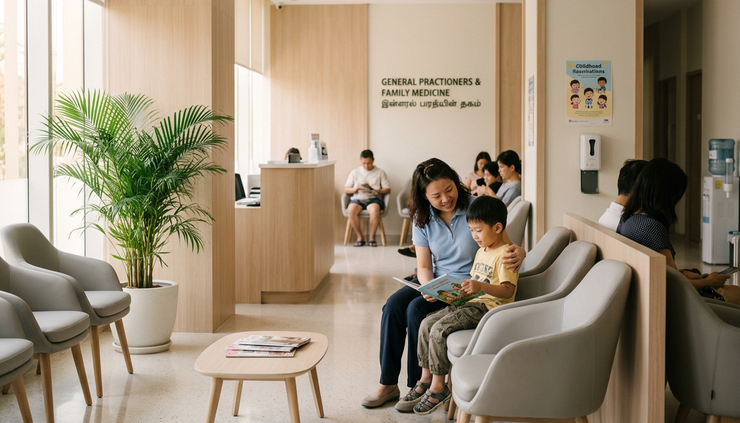
International clinics make healthcare easier to understand
A move to a new country often brings small healthcare questions that feel bigger than they should. Which vaccinations are needed for school? Can a prescription from another country be continued? Is a referral required before seeing a specialist? How are medical records shared?
An international clinic is often designed around these everyday concerns. The goal is not only to treat illness, but also to help patients understand what happens next.
For expatriates, that clarity matters. Many are managing health needs across countries. A family may have immunisation records from India, the UK, Australia, the US, or Europe. A working professional may need regular monitoring for blood pressure, diabetes, thyroid concerns, asthma, allergies, or mental wellbeing. Parents may need developmental checks, travel health advice, or school medical forms.
A good expat clinic can help connect those pieces into one practical care plan.
Common reasons expatriates choose this style of care include:
Clear communication
Patients can ask questions in a familiar medical setting and get explanations that are easy to follow.
Continuity of care
The same clinic can often support routine check-ups, acute illnesses, vaccinations, women’s health, men’s health, and child health.
Help with overseas medical history
International clinics are used to reviewing records from different countries and health systems.
Practical support for families
Parents often need school forms, vaccination reviews, growth checks, and advice on common childhood illnesses.
Guidance on referrals
When specialist care is needed, the clinic can help patients understand suitable next steps.
This kind of care is especially useful for people who expect to stay in Singapore for several years. It creates a medical home, rather than a one-off visit when something goes wrong.
Medical information in this article is for general awareness only. Personal healthcare decisions should always be discussed with a qualified medical professional.
Location, access, and comfort matter in Singapore
Singapore has a strong healthcare system, but convenience still plays a major role in choosing a clinic. Busy work schedules, school runs, public transport routes, and urgent same-day needs all affect where people go for medical care.
That is one reason many residents search for a clinic in orchard or near central areas. Orchard is well connected, familiar to many newcomers, and close to homes, schools, serviced apartments, hotels, and workplaces. For an expatriate family, that can make appointments easier to manage.

Access is not only about geography. It also includes how easy it is to book, communicate, and follow up after a consultation.
Expatriates often value clinics that offer:
Simple appointment booking
Online or phone booking can save time, especially for families balancing work and school.
Reasonable waiting experience
Clear scheduling and calm surroundings can make visits less stressful.
Family-friendly care
A clinic that sees adults and children can reduce the need to register at multiple places.
Support for travel and relocation needs
Travel vaccines, health screening, medication planning, and medical letters may be part of life for mobile families.
Coordination with insurance
Not every clinic works the same way with insurers, so front-desk guidance can help patients understand their options.
Comfort also matters. Healthcare feels personal, especially in a new country. Patients may prefer a setting where consultations do not feel rushed and where questions are welcomed. This is one reason searches like expatriate clinic Singapore are common among newcomers who want care that fits an international lifestyle.
Comparing local clinic needs with international clinic care
Many expatriates use both local clinics and international clinics at different times. Singapore has excellent primary care options across public and private settings. The right choice depends on the person’s medical needs, budget, location, insurance, and preference for continuity.
The table below shows how an international clinic may differ in practical day-to-day use.
Healthcare need | What expatriates often look for | How an international clinic may help |
First visit after relocation | Review of medical history from overseas | Doctors may be familiar with varied international records and vaccination schedules |
Child health | Growth checks, school forms, vaccines, acute illness care | Family-focused services can support ongoing paediatric needs |
Chronic condition management | Regular reviews and prescription planning | Continued monitoring can help patients avoid gaps in care |
Travel medicine | Advice before regional or long-haul travel | Clinics may provide travel vaccine guidance and destination-specific advice |
Women’s and men’s health | Preventive checks and private consultations | Patients can discuss screening, lifestyle, symptoms, and follow-up plans |
Specialist referrals | Clear direction when more advanced care is needed | The clinic can advise when referral to a specialist is appropriate |
Insurance questions | Help understanding payment or claim steps | Administrative teams may guide patients on clinic-specific arrangements |
This does not mean an international clinic is always the only choice. For emergencies, patients should use emergency services. For complex specialist treatment, a specialist or hospital may be needed. For routine primary care, many expatriates choose an international-style clinic because it offers familiarity, continuity, and context.
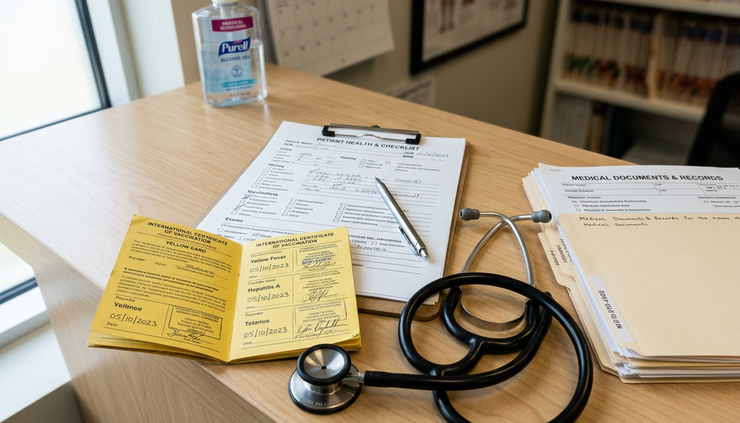
One of the biggest advantages is relationship-based care. A doctor who knows a patient’s background can notice changes earlier, guide preventive checks, and make better sense of symptoms over time. That is valuable for anyone, but it is especially helpful when a person’s past care happened across different countries.
Complete Healthcare International can be a practical choice for expatriate care
Complete Healthcare International, often known as CHI, is one option expatriates may consider when looking for private primary care in Singapore. It is positioned for patients who want accessible, personal, and family-oriented healthcare in an international setting.
A safe way to think about CHI is as a possible medical home for routine and ongoing care. That may include general practice visits, child and family health, preventive health checks, vaccinations, travel-related advice, and support with referrals when needed.
For expatriates, the appeal is often practical. A clinic like CHI may be helpful when patients want a team that understands relocation concerns, international medical histories, and the need for clear explanations. It may also suit families who prefer to keep adult and child healthcare connected through one trusted provider.
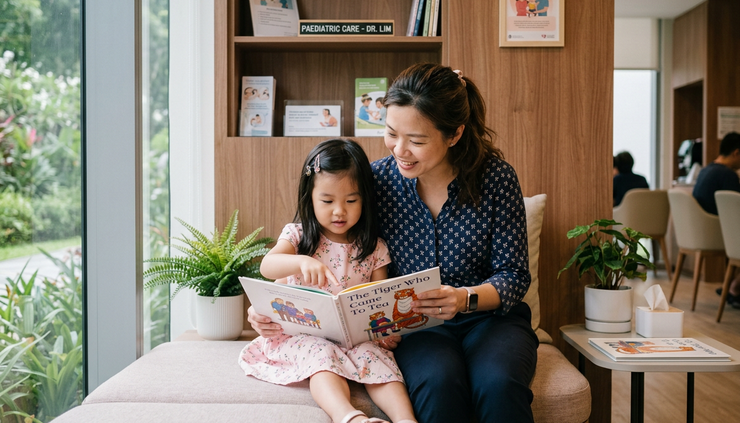
When choosing CHI or any clinic, it is sensible to check a few details before booking:
Services offered
Confirm that the clinic provides the type of care needed, such as adult health, child health, vaccinations, health screening, or travel advice.
Doctor availability
For ongoing care, ask whether follow-up appointments can be made with the same doctor where possible.
Insurance and payment process
Check whether the clinic supports your insurance arrangement or provides paperwork for claims.
Medical record transfer
Bring previous reports, medication lists, vaccination records, and allergy details to the first appointment.
Urgent care limits
Understand when the clinic is suitable and when hospital emergency care is the safer choice.
This approach keeps expectations realistic. No single clinic can cover every medical situation, but a well-chosen primary care clinic can reduce confusion, support preventive health, and guide patients to the right level of care.
For many expatriates, the decision comes down to trust. They want a doctor who listens, a clinic that explains next steps, and a healthcare experience that feels manageable in a new country. That is why international-style primary care continues to be a preferred choice for families, professionals, and long-term residents in Singapore.
Choosing the right clinic early can make life easier later. Keep your medical records organised, understand your insurance, and choose a provider that fits your family’s day-to-day routine. For expatriates settling into Singapore, a dependable international clinic can turn healthcare from a source of stress into a steady part of life.


Comments